

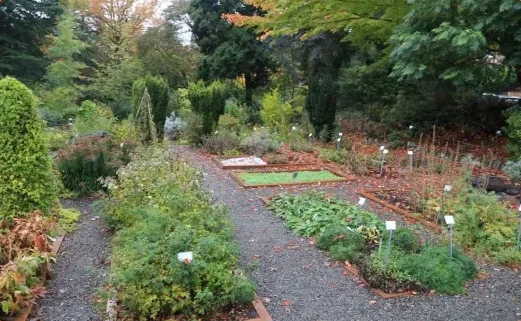
The Medicinal Plant Garden at Lokmangal College of Agriculture has been established to promote awareness, conservation, and cultivation of medicinal and aromatic plants that play an important role in traditional and modern healthcare systems.
A variety of medicinal plants, including Aloe Vera, Tulsi (Holy Basil), Neem, Turmeric, and Ginger, are cultivated on the college campus. These plants have been widely used for generations to help manage common ailments and are recognized as valuable components of traditional home remedies across India.
Among these, Tulsi (Holy Basil) holds special significance due to its extensive use in herbal medicine, black tea preparation, religious ceremonies, and daily wellness practices. Many medicinal plants grown in the garden are known for their therapeutic, nutritional, and aromatic properties.
The garden also includes several easy-to-grow medicinal herbs such as:
- Chamomile
- Tulsi (Holy Basil)
- Aloe Vera
- Lavender
- Yarrow
- Lemon Balm
- Peppermint
- Ashwagandha
- Tea Tree
The Medicinal Plant Garden serves as an educational and research resource for students, farmers, and visitors, providing opportunities to learn about the cultivation, identification, and uses of medicinal plants. It also contributes to biodiversity conservation and encourages the adoption of natural and sustainable approaches to health and well-being.
Through this initiative, the college promotes the preservation of traditional knowledge while supporting research and awareness in the field of medicinal and aromatic plants.